Design for social impact
about this project
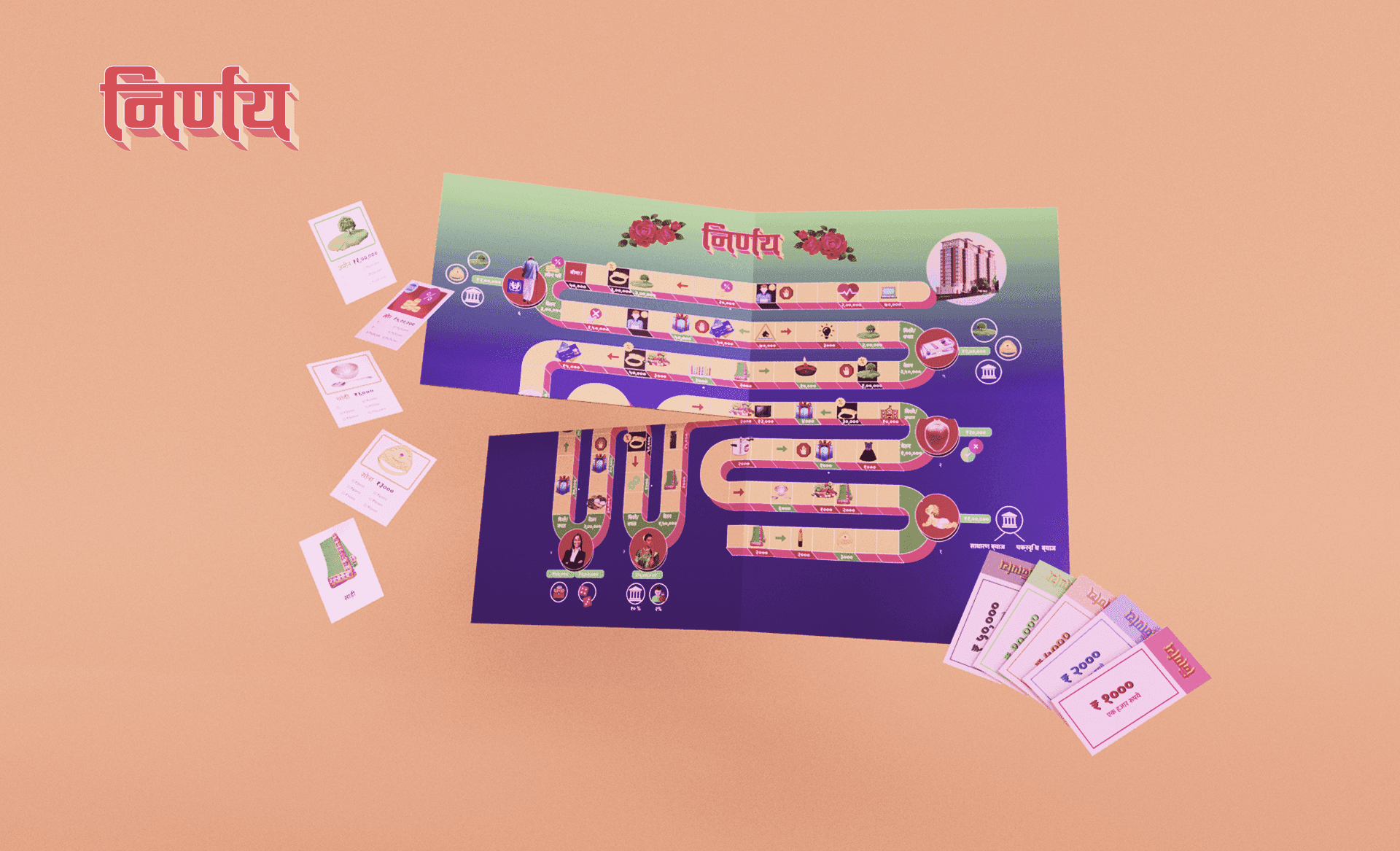
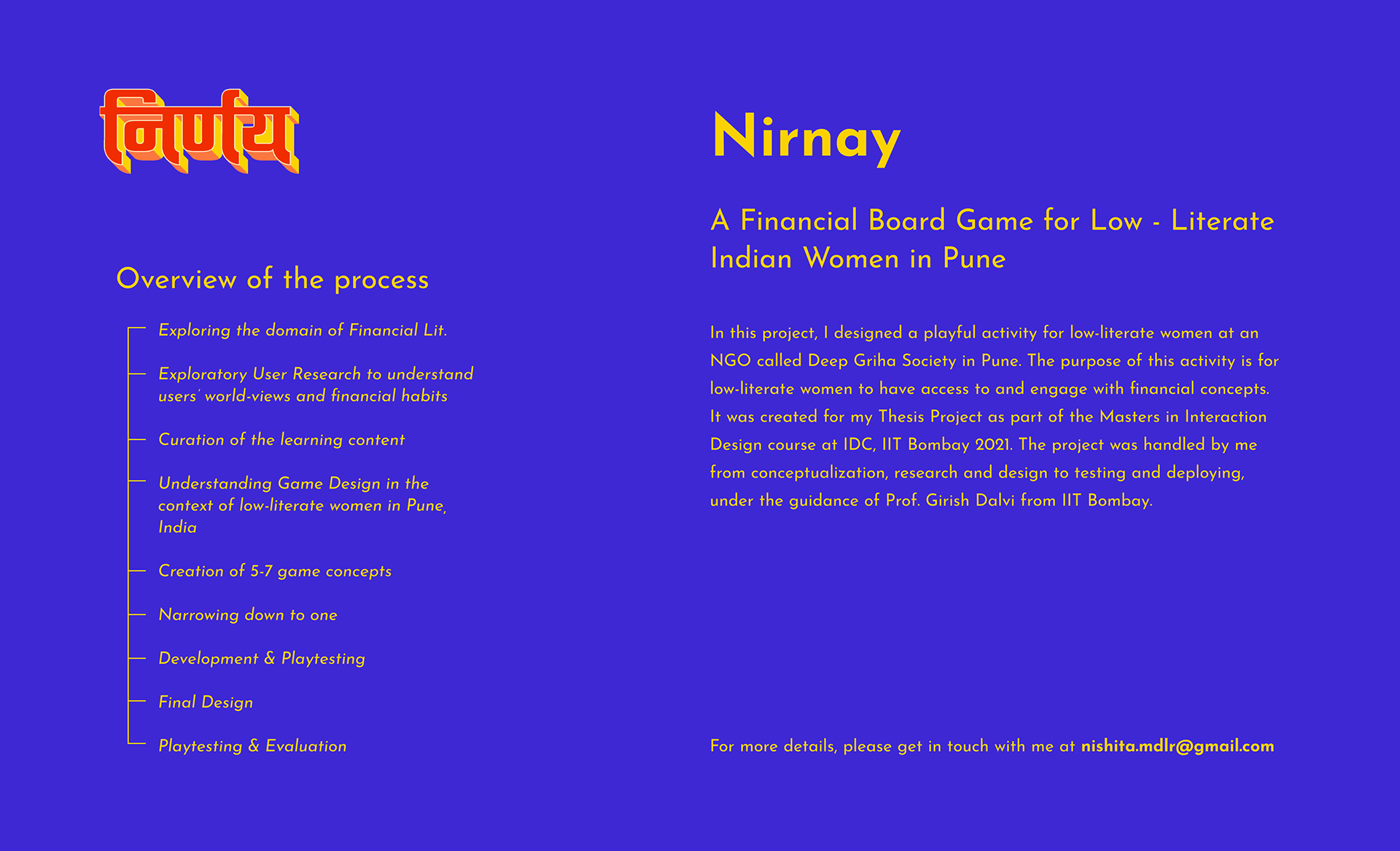
An overview of the project 'Nirnay', along with a picture of the final game. It presents a board-game used as a learning tool for women with low-literacy to learn financial concepts in a playful manner. A detailed report can be found in the link below.
context
user-base
The primary users were domestic workers and women from low-income households in Pune, many of whom had competed early schooling. Most of them had bank accounts, some were repaying loans, and a few had used digital payments with help from others, but financial jargon still felt inaccessible. During playtesting, many women expressed surprise at how they were already using financial concepts in everyday situations.
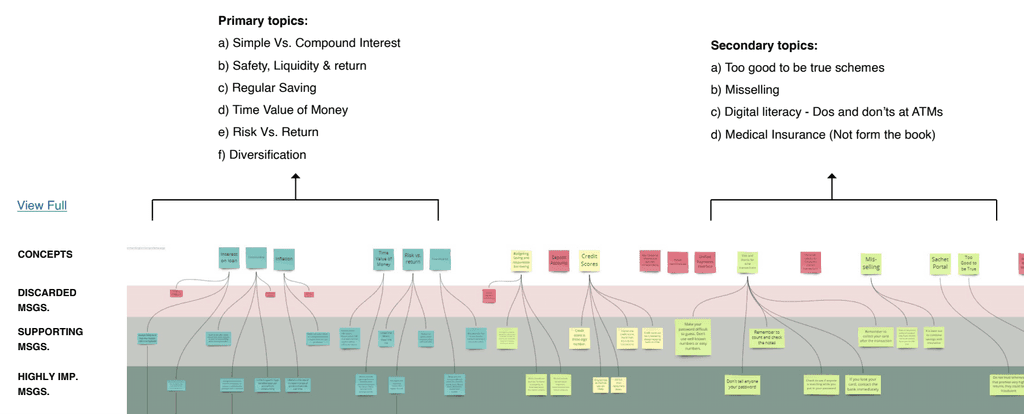
The selection of topics to introduce based on excerpts from user interviews and conversations with the women.
learnings and process snippets
For me, this project was a deep dive into designing for dignity. It taught me how to turn abstract content into lived, tangible experiences and reminded me that fun can be a powerful learning strategy. It also shifted how I view ‘low literacy’—not as a limitation, but as an invitation to design smarter, more inclusive tools. Working closely with a community I had never designed for before made me rethink how I define impact, and how critical it is to design with users, not just for them, and my own limitations with financial literacy.
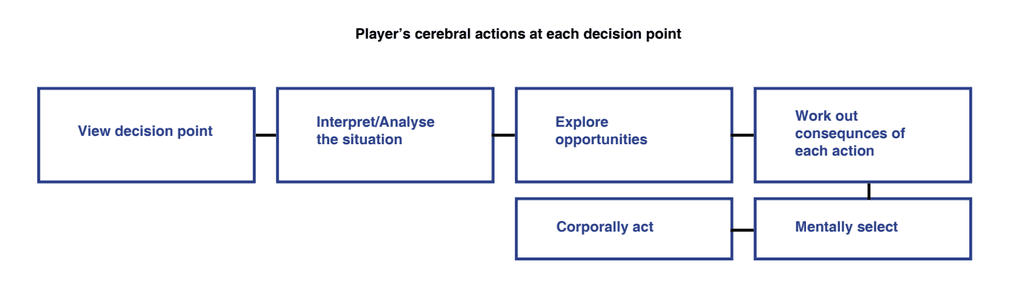
Snippet from studying the game design process. More details of process can be found in the report linked above.
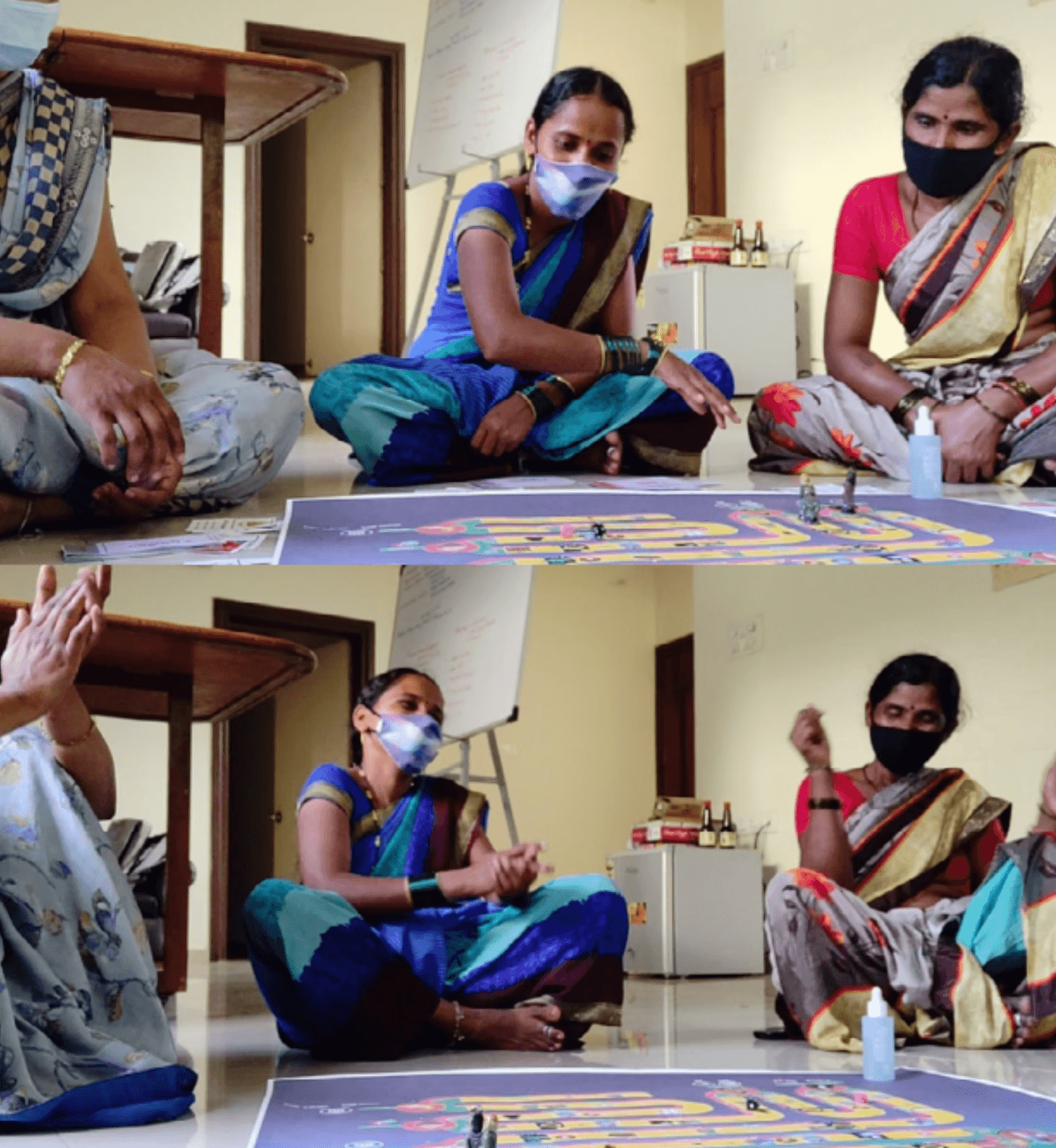
Outtakes from the playtest.

A picture of the game-board we used.
References
OECD. (2011). Measuring Financial Literacy: Questionnaire and Guidance Notes for Conducting an Internationally Comparable Survey of Financial Literacy.
Bhushan, P., & Medury, Y. (2013). Financial Literacy and its Determinants. International Journal of Engineering, Business and Enterprise Applications.
Arora, A. (2016). Assessment of Financial Literacy among Working Indian Women. International Journal of Research – Granthaalayah.
RBI. (n.d.). FAME: Financial Awareness Messages. https://www.rbi.org.in/commonman/English/Scripts/fame.aspx
Parikh, T. S., et al. (2014). Design Studies for a Financial Management System for Micro-credit Groups in Rural India. University of California, Berkeley.
Athavankar, U. et al. (2019). Designing Purposeful Games. IDC School of Design, IIT Bombay.
Agarwal, P. (2021). Mapping Teachable Moments for Financial Literacy. IFMR-LEAD.
McKinny. (n.d.). Shady Sam. https://shadysam.com
Next Gen Personal Finance. (n.d.). Build Your Stax. https://buildyourstax.com
Financial Times. (n.d.). The Uber Game. https://ig.ft.com/uber-game
Parinaam Foundation. (2021). Diksha Financial Literacy Program.
Mankad, M. (n.d.). Menopause Tracker Design – IDC Alumni Project.